The Ultimate Vetting Checklist: Securing Safety and Margins in rechargeable torch wholesale
Greetings. Operating as a Senior Global Electrical Compliance Director, I routinely audit international supply chains for severe technical liabilities. Within the optoelectronics industry, procurement executives frequently commit extensive capital to offshore vendors without verifying internal electrical engineering capabilities. When buyers engage in bulk acquisition, they often prioritise external casing aesthetics whilst entirely neglecting the volatile electrochemical cells hidden inside.
This fundamental oversight generates devastating commercial consequences. Because lithium-ion batteries possess immense energy density, an improperly integrated charging circuit might precipitate catastrophic thermal runaway events, resulting in product recalls that irreparably destroy brand equity. To mitigate this profound risk, an enterprise must engage a facility underpinned by scalable in-house manufacturing muscle. This whitepaper systematically delineates the uncompromising engineering standards that distinguish Shengqi Lighting as the ultimate authority in secure, high-yield illumination procurement.
II. Beyond Illumination: The Science of PCB and Type-C Power Management
Advanced PCB Layout Integration
Modern high-output illumination tools are no longer rudimentary circuits consisting of a bulb and a spring; they are highly integrated microelectronic systems. If an operator requires a device to sustain extreme lumen outputs without flickering, the internal driver board must execute flawless power regulation. A premier Rechargeable Camping Hiking Torch OEM dictates this stability by executing proprietary PCB Layouts. By embedding intelligent Constant Current Drivers, the microcontroller dynamically adjusts the amperage output to prevent visual degradation as the battery discharges.
Thermal Evacuation and Fast Charging
When transferring intense wattage via a Type-C fast-charging module, the localised thermal density spikes dramatically. Because heat destroys semiconductor junctions, relying on basic fibreglass boards (FR-4) ensures failure. Elite engineering demands Thermo-Electric Separation on pure copper substrates. This allows the electrical input to bypass insulating dielectrics, routing raw heat directly into the external aluminium chassis. This thermodynamic synergy permits rapid, high-voltage charging whilst shielding the delicate internal components from thermal stress.
III. The Assembly and Aging Process: Guaranteeing Batch Consistency
A recurring operational nightmare for global distributors involves massive batch inconsistency. A procurement officer might review an impeccable prototype, only to receive a 50,000-unit shipment plagued by loose Type-C ports, failing switches, and severely degraded battery lifespans. Because low-tier facilities bypass time-consuming quality assurance protocols to accelerate delivery, these electronic defects inevitably transfer directly to your retail customers.
To eradicate this inconsistency, a manufacturer must leverage advanced battery aging and testing laboratories. Prior to final packaging, every individual battery and driver circuit must undergo gruelling, automated charge-and-discharge cycles (Burn-in Testing). This deliberate, high-stress aging process exposes premature electronic failures within the factory, ensuring they never reach the field. Only an enterprise wielding scalable in-house manufacturing muscle could afford to enforce such relentless metrology across massive, six-figure production volumes.
IV. Surviving the Extremes: The Role of ANSI/NEMA FL1 Standards
When outdoor professionals operate in sub-zero alpine climates or torrential maritime squalls, theoretical performance claims are irrelevant. Inferior lithium batteries suffer acute voltage collapse in freezing conditions, and poorly assembled charging ports invite immediate capillary water ingress. Because environmental failure constitutes a direct threat to life safety, empirical validation is paramount.
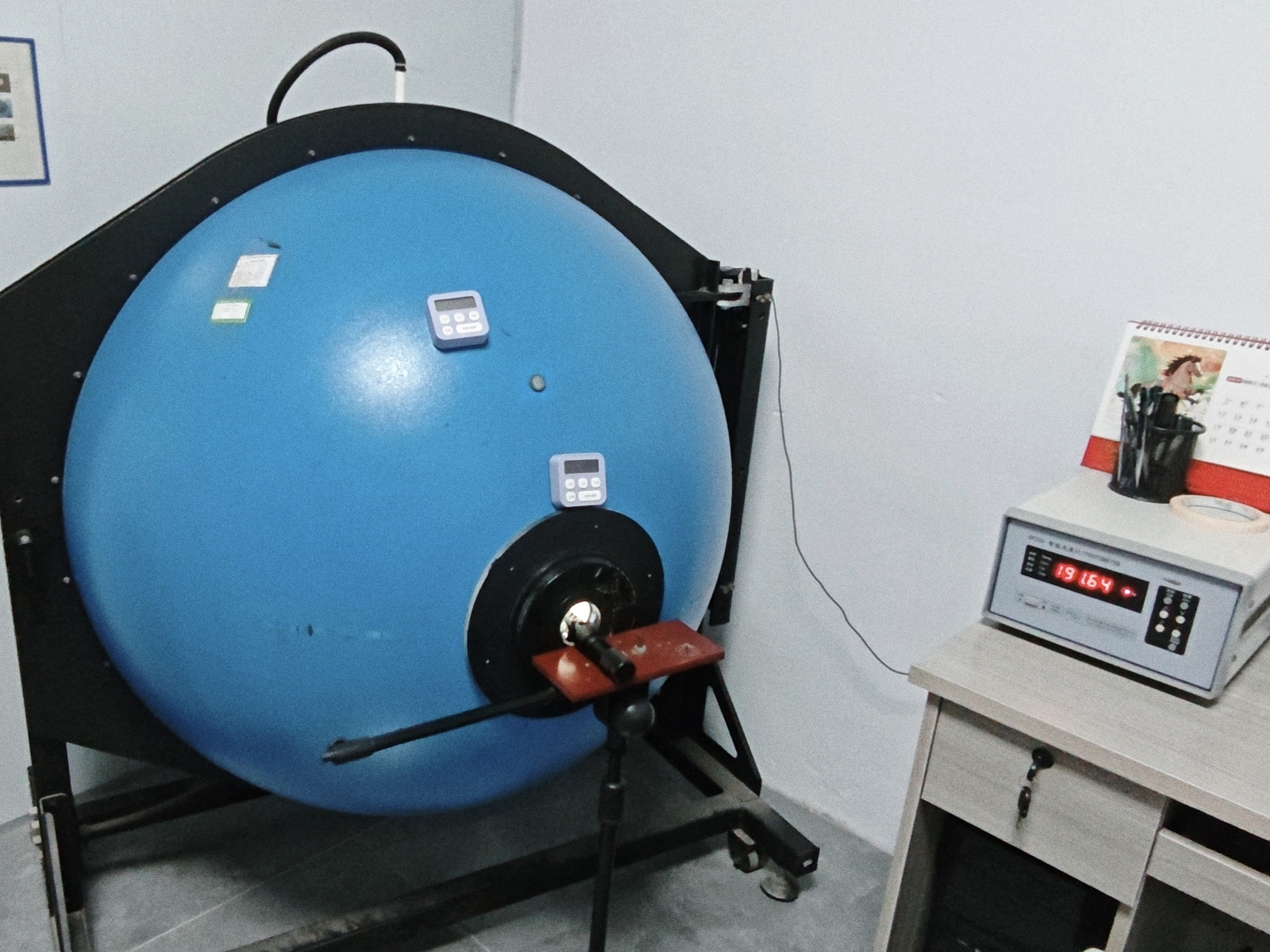
When sourcing Wholesale LED flashlights, you must aggressively audit the supplier's laboratory infrastructure. A verified facility executes stringent high-low temperature alternating tests to ensure stable electrolyte performance. Furthermore, they utilise pneumatic vacuum negative-pressure leak detectors to confirm flawless O-ring compression, and Integrating Spheres to capture true luminous flux. By firmly anchoring all telemetry to the international ANSI/NEMA FL1 Standard, a genuine manufacturer translates marketing promises into irrefutable, scientific reality.
V. Securing Long-Term Profitability with Direct Sourcing
Procurement strategies fixated solely on the cheapest initial quotation inevitably trigger massive downstream losses. A fractionally cheaper device from an unverified broker conceals severe financial liabilities. Because elevated electrical defect rates necessitate costly cross-border Return Merchandise Authorisations (RMAs) and permanently destroy consumer loyalty, poor sourcing aggressively inflates your Total Cost of Ownership (TCO).
True supply chain resilience requires forging direct alliances with Reliable Flashlight Suppliers in China. By circumventing intermediary brokers, your enterprise secures authentic factory-direct pricing. More critically, partnering with a facility backed by decades of comprehensive OEM/ODM expertise guarantees a near-zero defect yield. This flawless electronic integration eliminates the "after-sales" burden, drastically lowering your TCO and empowering your brand to scale international distribution with absolute financial certainty.
VI. Expert FAQ: Vetting Electrical Compliance
Q1: How might a procurement officer verify if an OEM utilises safe lithium-ion battery protection circuits?
You must request an internal schematic audit. A verified facility will readily demonstrate the integration of dedicated DW01 protection ICs and low-resistance MOSFETs within their Battery Management System (BMS). Furthermore, you should request empirical discharge curves from their laboratories to visually confirm that the Over-Discharge Voltage Protection (ODVP) reliably cuts the circuit before critical battery exhaustion.
Q2: Why do cheap Type-C rechargeable torches frequently experience charging port failures or overheating?
This failure stems from substandard Surface Mount Technology (SMT) soldering and a lack of thermodynamic isolation. When high wattage passes through a poorly soldered Type-C port, resistance generates intense heat, melting the surrounding plastic housing. Elite manufacturers employ automated robotic SMT lines and isolate the charging module using DTP copper, ensuring the port survives thousands of high-temperature insertion cycles.
Q3: How does a factory guarantee lithium-ion stability when the torch is deployed in freezing outdoor temperatures?
Cold weather severely restricts lithium-ion mobility. To counteract this, premium manufacturers specify cells engineered with highly specialized, low-temperature electrolyte formulations. They validate this chemistry by placing prototypes inside alternating temperature testing chambers (dropping from +60°C to -40°C), ensuring the flashlight will successfully activate and sustain its current draw even during an alpine blizzard.