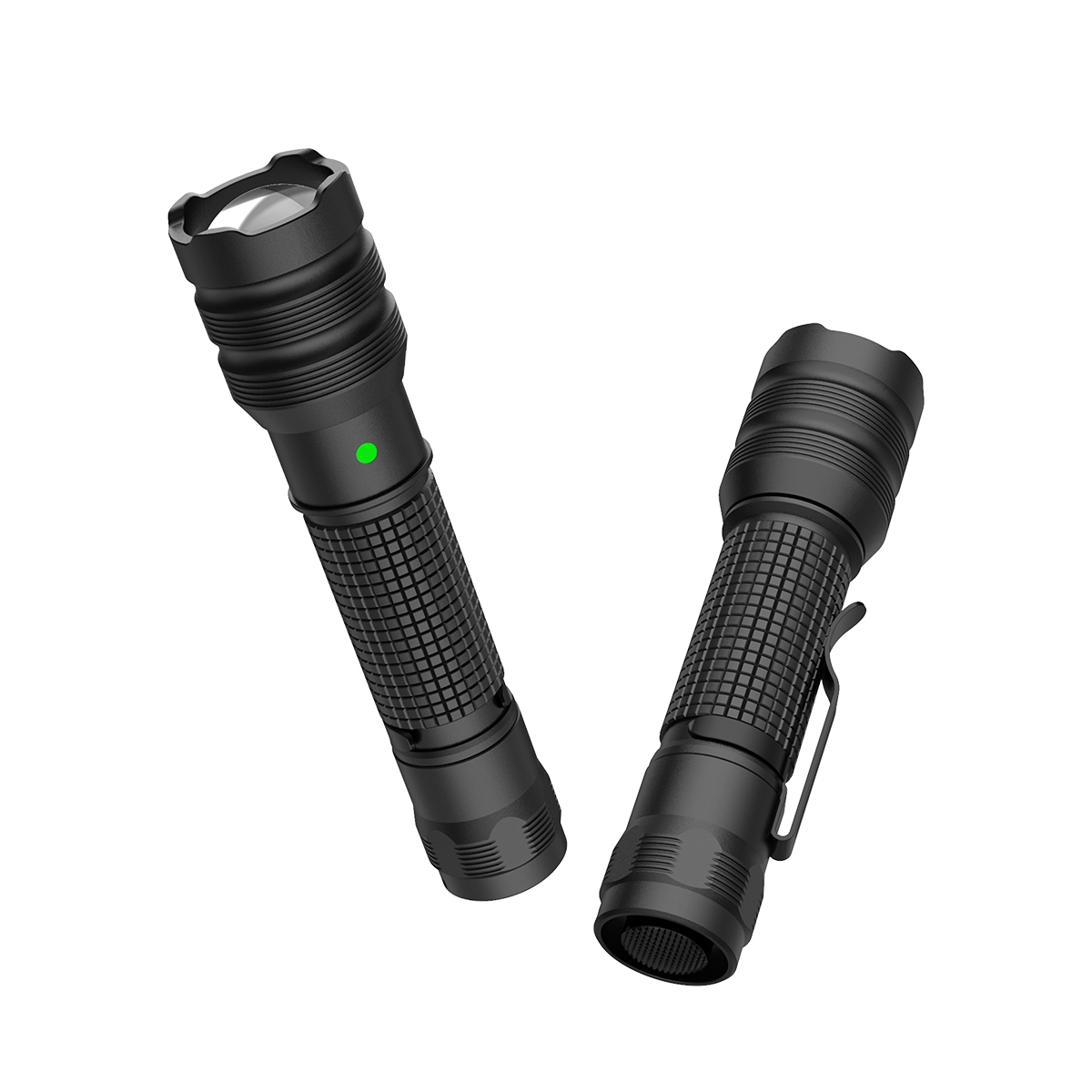
C6 PRO 800LM EDC FLASHLIGHT - RECHARGEABLE POCKET ZOOMABLE LED PORTABLE LIGHT
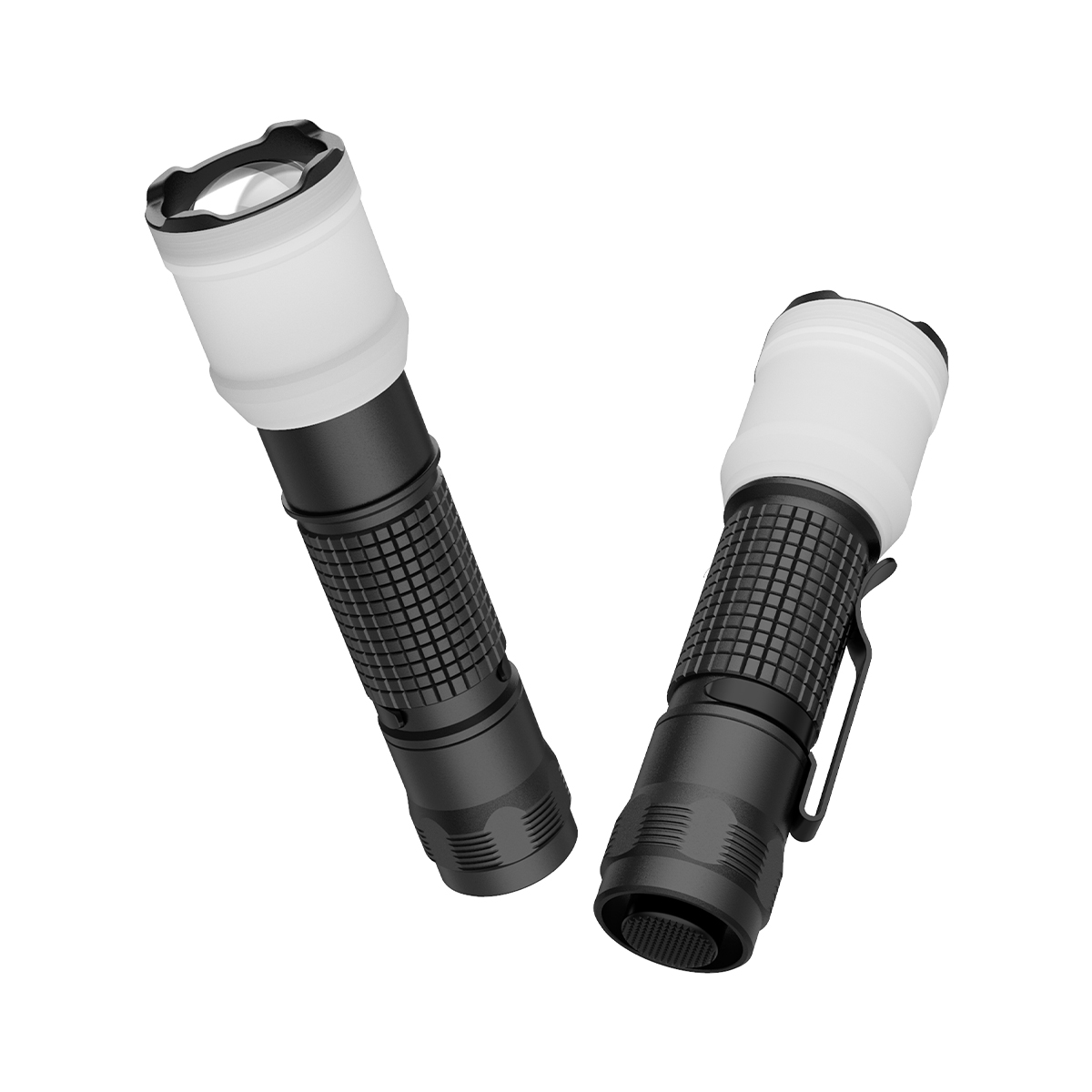
C6 800LM EDC FLASHLIGHT - RECHARGEABLE POCKET ZOOMABLE LED PORTABLE LIGHT

G8 400LM MINI EDC FLASHLIGHT - RECHARGEABLE KEYCHAIN POCKET OSRAM P8 LED PORTABLE LIGHT

L2 750LM EDC FLASHLIGHT - MULTI-BATTERY COMPATIBLE IPX6 CLIP-ON RECHARGEABLE ALUMINUM LIGHT

L2 MAX 570LM EDC FLASHLIGHT - CLIP-ON 14500 RECHARGEABLE ALUMINUM POCKET CAMPING LIGHT
EDC Flashlight Manufacturer for Daily-Carry Programs
Shengqi Lighting develops and manufactures EDC flashlights for brands, distributors and professional product programs. An everyday-carry light must balance size, control, beam usefulness, runtime and durability in a form that users can carry consistently. Our OEM and ODM process can begin with an existing platform or a project brief for a modified or new design.
This category presents compact flashlight platforms intended for daily carry and general task use. Specifications vary by model, battery, operating mode and test condition. Buyers should compare complete product configurations rather than selecting a program from a single maximum-output figure.
What Defines a Practical EDC Flashlight?
An effective EDC design supports the user's routine without adding unnecessary bulk or complexity. The right platform depends on where the light is carried, how quickly it must be activated and what type of illumination is needed. Important sourcing criteria include:
- Carry format: overall dimensions, weight, pocket clip, attachment point and anti-roll features.
- Beam profile: useful near-field illumination, hotspot intensity, spill and working distance.
- User interface: switch location, mode order, lockout behavior and access to frequently used output levels.
- Power system: battery format, charging interface, protection strategy and expected runtime at defined outputs.
- Mechanical design: housing material, grip, sealing structure, surface finish and impact requirements.
- Identification: model markings, instructions, packaging and any market-specific labeling.
These factors should be evaluated together. A smaller housing can improve carry comfort but may reduce battery capacity or thermal margin; a higher output setting may create more heat and shorten sustained runtime.
Choose the Right Compact-Light Platform
EDC is a use pattern rather than one fixed product shape. Compare this range with the broader LED flashlight collection when the project requires more battery capacity or reach. A pen light may suit inspection, medical-support or uniform-pocket programs that prioritize a narrow profile. For hands-free work, consider the headlamp category. Programs centered on rapid control and duty use can also review tactical flashlight platforms.
The final choice should follow the intended job, target user and carrying method. Reference samples can help define preferred proportions and controls, but the project specification should state measurable requirements and acceptance criteria.
OEM and ODM Customization for EDC Flashlights
Depending on the selected platform, order requirements and engineering review, customization may include logo application, finish, color, packaging, clip or accessory choices, mode configuration and selected electrical or optical components. Deeper changes to the housing, optic, driver, battery or charging system require compatibility review and renewed verification.
Shengqi's OEM and ODM services cover project evaluation, industrial design support, engineering development, prototyping and preparation for production. Not every requested feature can be combined within a compact housing, so technical tradeoffs should be resolved before tooling or final sample approval.
Manufacturing and Verification
A repeatable EDC flashlight program connects the approved sample to controlled materials, assembly methods and inspection criteria. Review Shengqi's flashlight manufacturing capabilities and quality control process for broader production context.
Depending on the product and agreed specification, verification may cover dimensions, appearance, switching, charging, current draw, protection behavior, optical measurements, runtime, thermal response and environmental tests. The method, sample count, limits and approved configuration should be documented at model level. Marketing claims should be supported by the finished product and defined test conditions, not only by a component rating.
Information to Include in an EDC Flashlight RFQ
- Target user, application, market and expected order quantity.
- Preferred size, weight, carrying method and control layout.
- Required beam pattern, modes, working distance and runtime target.
- Battery format, charging method and replaceability requirement.
- Housing material, finish, sealing and impact expectations.
- Branding, packaging, labeling, compliance and launch schedule.
Clear inputs reduce avoidable revisions and help the engineering team recommend a realistic platform. To discuss an existing product or a custom compact-light program, send Shengqi your EDC flashlight RFQ.
Frequently Asked Questions
Can Shengqi customize an existing EDC flashlight?
Potential options depend on the selected model and project quantity. Branding, finish and packaging can be reviewed first; changes to optics, electronics, batteries or housings require engineering assessment and validation.
Which battery is best for an EDC flashlight?
There is no universal choice. The battery must suit the required size, output, runtime, charging method, current demand and target market. Compatibility with the driver, protection system and thermal design must be confirmed.
How should buyers compare compact flashlight performance?
Compare complete-product output, beam shape, sustained runtime, thermal behavior, user interface, battery configuration and documented test conditions. A maximum lumen number alone does not describe everyday usability.
What should be approved before mass production?
The project should approve the exact configuration, appearance, functions, packaging, markings and agreed test criteria. Any material or component change that can affect performance should follow a defined change-control process.