Dissecting Catastrophic Gear Failure: A Risk Management Guide to Vetting Your tactical flashlight factory
Dissecting Catastrophic Gear Failure: A Risk Management Guide to Vetting Your tactical flashlight factory
The Hidden Cost of Compromise: A Tactical Gear Case Study
In the unforgiving theaters of law enforcement, subterranean exploration, and high-stakes military deployment, the margin for equipment error is precisely zero. As a Senior Tactical Gear Supply Chain Risk Expert, I frequently analyze the disastrous downstream effects of poor procurement decisions. To understand the gravity of supply chain vetting, we must examine a highly classified but entirely real incident that occurred during a recent, devastating hurricane season along the North American Gulf Coast. A prominent regional tactical gear distributor, responsible for outfitting multi-agency Search and Rescue (SAR) teams and municipal first responders, found themselves facing an unprecedented logistical and public relations nightmare. In an effort to maximize their seasonal profit margins, the procurement director had bypassed established channels, deciding instead to source a massive batch of newly designed duty lights from an unverified overseas supplier they found on a B2B trading platform.
On the procurement spreadsheet, the hardware specifications appeared absolutely flawless. The generic supplier promised a staggering 2500 lumens of peak output, a certified IP68 submersible waterproof rating, and aerospace-grade aluminum construction, all at a Bill of Materials (BOM) cost that seemed too good to be true. However, the reality of the battlefield is utterly indifferent to marketing brochures. When a Category 4 hurricane made landfall, triggering massive storm surges and knocking out the regional power grid, these flashlights were immediately deployed into the field. First responders found themselves navigating flooded residential zones, chest-deep in highly turbid, debris-filled water, operating in total darkness and driving rain. The environment was engineered to test equipment to its absolute structural and thermal limits.
Within the first thirty minutes of continuous high-output operation, catastrophic systemic failures began to cascade across the deployed units. The highly touted beams began to aggressively dim, plunging from a blinding tactical spotlight to a useless, flickering amber glow just as rescue swimmers needed to illuminate submerged vehicles and trapped civilians. The thermal throttling was so severe that the devices became entirely ineffective for perimeter scanning. The situation rapidly deteriorated from a mere logistical inconvenience to a life-threatening liability. As officers waded through the treacherous floodwaters, dozens of flashlights simply ceased functioning entirely. They had become victims of rapid water seepage, which instantly short-circuited the main driver boards. What was supposed to be a critical lifeline had become a piece of dead, waterlogged weight attached to their tactical vests.
The business fallout was immediate and devastating. The distributor was hit with an unprecedented wave of furious product recalls and demands for emergency replacements. Municipal agencies threatened severe financial penalties and breach-of-contract lawsuits for supplying defective life-safety equipment. Practically overnight, the distributor experienced a total obliteration of their hard-earned brand trust within the professional responder community. The initial, superficial savings on the unit cost were instantly vaporized by the staggering, multi-million dollar cost of field failure, cross-border RMA logistics, and permanent reputational damage. This catastrophe was not an unpredictable act of nature; it was a mathematical certainty born from a failure of procurement due diligence.
Autopsy of a Failure: Why Did the Specs Lie?
Following the disaster, our independent risk assessment firm was contracted to conduct a comprehensive post-mortem analysis on the failed equipment. When we placed these compromised units onto the laboratory workbench and began the teardown process, the discrepancy between the printed marketing claims and the harsh mechanical reality was appalling. As a procurement consultant, I must emphasize this critical lesson: a printed specification of "2000 Lumens" or a shiny "IP68" badge means absolutely nothing if the underlying thermodynamic and metallurgical architecture is fundamentally flawed. The disaster during the hurricane was a textbook, empirical manifestation of severe thermal throttling failure and catastrophic hydrostatic breach. Let us dissect the engineering failures layer by layer.
We must first address the abrupt thermal collapse and subsequent loss of luminosity. High-drain semiconductor diodes, particularly those pushing beyond 2000 lumens, generate an immense, highly concentrated thermal load at the p-n junction. To cut manufacturing costs, the unverified supplier had abandoned extruded aerospace aluminum, utilizing instead cheap, high-pressure die-cast aluminum (such as ADC12) for the flashlight chassis. Die-cast aluminum is notoriously porous; the rapid cooling process traps microscopic atmospheric gases within the metal matrix, creating thousands of tiny air bubbles. Because air is a profound thermal insulator, these micro-voids completely bottlenecked the heat transfer process. When the LED was pushed to its maximum output, the thermal energy could not effectively migrate from the core to the external ambient environment. In contrast, authentic duty-grade equipment relies exclusively on forged or extruded aerospace-grade aluminum alloys, which possess a flawless, continuous crystalline grain structure capable of rapidly wicking heat away from the diode.
Compounding this fatal metallurgical flaw was the complete absence of advanced thermal routing on the circuit board itself. In a properly engineered tactical instrument, the high-power LED is mounted on a Direct Thermal Path (DTP) pure copper substrate. This Thermo-Electric Separation technology physically removes the dielectric insulating layer directly beneath the LED, allowing heat to flow instantaneously into the primary metallic heatsink. The failed units from the hurricane operation utilized standard, inexpensive fiberglass FR-4 printed circuit boards. Consequently, the trapped thermal energy backed up instantly into the semiconductor junction. To prevent the diode from literally desoldering itself and melting, the primitive micro-controller unit (MCU) was forced to aggressively choke the electrical current. This resulted in a steep, vertical drop in lumen output, dropping the brightness from a blinding tactical beam to a useless 300-lumen glow within a matter of minutes.
The catastrophic water seepage issue was a direct, unavoidable result of unacceptable machining tolerances. The marketing materials boasted an IP68 submersible rating, but physics dictated otherwise. Die-cast metals simply cannot hold the strict, micron-level tolerances required for true hydrostatic defense. When the ambient temperature of the hot flashlight rapidly cooled upon entering the freezing floodwaters, the internal atmospheric pressure dropped, creating a powerful vacuum effect. Because the threading was roughly machined and the fluororubber O-ring compression was highly uneven, water was actively sucked into the battery compartment through capillary action. Furthermore, the supplier had failed to apply conformal coating (a protective polymer barrier) to the internal PCB. The moment the highly conductive, debris-filled floodwater breached the seal and touched the exposed circuitry, an immediate and permanent short circuit occurred, rendering the device entirely dead.
The Auditor's Checklist: How to Vet a tactical flashlight factory
Preventing these fatal supply chain errors requires procurement directors to adopt an aggressively skeptical, highly technical mindset. You must stop evaluating your overseas suppliers merely as merchants quoting a unit price, and begin vetting them as critical engineering partners responsible for the lives of your end-users. When initiating contact with a potential tactical flashlight factory, you must abandon superficial questions and mandate empirical answers to three hard-core engineering evaluations.
- 1. The Machining Metrology: Validating Subtractive Infrastructure You must meticulously scrutinize their subtractive manufacturing capabilities. During your virtual or physical factory audit, demand to see whether they rely on outsourced casting workshops or if they operate massive advanced multi-axis machining facilities internally. Carving a tactical chassis directly from a solid, extruded aerospace aluminum billet (like 6061-T6 or 7075) via 5-axis CNC milling is the only scientifically reliable method to achieve extreme geometric coaxiality and micron-level thread tolerances. These strict, uncompromising tolerances are exactly what allow dual fluororubber O-rings to compress uniformly across a perfect 360-degree axis. This mechanical perfection creates the impenetrable labyrinth seal necessary to defeat immense hydrostatic pressure and block aggressive environmental contaminants.
- 2. The Electronic Brain: In-House Driver Board Engineering You must aggressively audit their microelectronic integration and power management protocols. A top-tier custom LED flashlight factory does not purchase generic, off-the-shelf driver boards from third-party vendors. They employ dedicated, in-house electronic engineers who design bespoke Printed Circuit Boards (PCBs) from scratch. You must verify that they implement intelligent Constant Current (CC) driving topologies utilizing ultra-low resistance MOSFETs, rather than relying on outdated, heat-generating components. Furthermore, the firmware must integrate Active Temperature Regulation (ATR) via highly sensitive NTC thermistors. This custom logic allows the device to dynamically and safely manage heat dissipation without causing the jarring, sudden drop in brightness that endangered the rescue teams in our case study. Finally, demand dual gold-plated springs and complete epoxy potting to guarantee the circuitry survives the violent recoil of high-caliber weaponry.
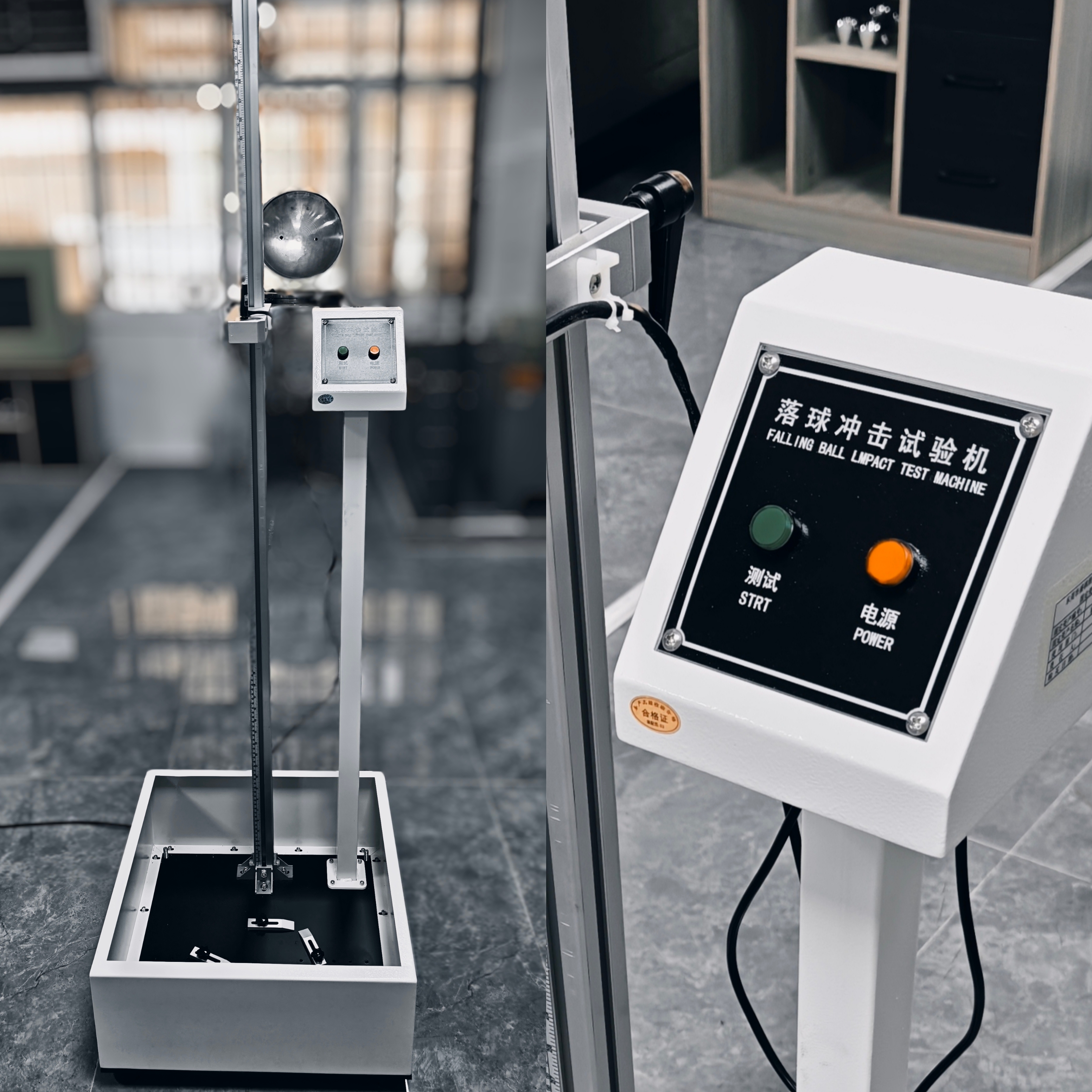
- 3. The Testing Black Box: Empirical Data vs. Marketing Promises Finally, you must confront the testing black box. Never accept a vendor's verbal promises or highly polished marketing brochures as proof of durability. Authentic manufacturers validate their engineering through continuous, destructive, empirical metrology. Demand to see their in-house harsh environment simulation labs in operation. A reliable facility must routinely utilize expensive Integrating Spheres to capture true, out-the-front luminous flux strictly in accordance with the ANSI/NEMA FL1 standard. They must demonstrate automated vacuum negative-pressure testing machines to non-destructively prove waterproof integrity across massive bulk orders, and they must operate pneumatic drop-test rigs to ensure internal potting compounds survive violent deceleration. If a supplier cannot produce this raw, unedited diagnostic data, they are a profound liability to your brand.
From Vendor to Strategic Partner: Building Trust Through Engineering
In the high-stakes arena of tactical, military, and industrial procurement, your primary objective is never to secure the absolute lowest Bill of Materials (BOM) cost. The true, strategic goal is to acquire post-sale peace of mind and achieve the ultimate optimization of your Total Cost of Ownership (TCO). A fractional savings of a few dollars on the initial unit price is instantly and painfully eradicated the moment a defective manufacturing batch triggers a cross-border logistics recall, sparks a barrage of 1-star e-commerce reviews, or results in a massive influx of field-failure liability claims. Buying cheap hardware is the most expensive mistake a supply chain director can make.
Securing your supply chain from these volatile disruptions requires forging a long-term, strategic alliance with an enterprise that views structural reliability as a non-negotiable science. Shengqi Lighting operates precisely upon these uncompromising, geek-level engineering standards. Supported by decades of deep-rooted engineering heritage and optically pure assembly zones, we transform rigorous theoretical physics into indestructible physical reality. By relentlessly executing extreme quality control protocols and offering full-stack bespoke engineering, we stand as one of the most Reliable Flashlight Suppliers in China. We consistently deliver unparalleled OEM tactical lighting solutions, police flashlight supplier capabilities, and Custom R&D services to elite global brands who simply refuse to compromise on human safety and equipment dominance.
Join the Tactical Engineering Discussion
As procurement professionals, operators, and gear architects, your experiences in the field shape the future of tactical engineering. I invite you to share your insights below: In your professional career or active deployments, what has been the most fatal and frustrating cause of tactical equipment failure? Was it the battery disconnecting under recoil, severe thermal dimming, or a shattered lens? Join the discussion in the comments section and let us push the boundaries of reliability together, or contact Shengqi Lighting directly to initiate a comprehensive supply chain audit.