How to Evaluate Search and Rescue Flashlights for Teams
Direct answer: to evaluate search and rescue flashlights, start with the mission rather than maximum lumens. A team needs the right beam pattern and sustained output for its search distance, usable runtime with an approved battery plan, controls that work under stress and with gloves, environmental and impact evidence, and redundancy when one light or power source fails. Model-specific test records and field evaluation matter more than a “high power” label.
Lighting is only one element of an agency’s equipment and risk system. The chosen flashlight must fit operating procedures, communications, protective equipment, battery logistics, training and local conditions. A long-range handheld light, a headlamp for hands-free work and a compact backup may serve different roles rather than compete as one universal solution.
01.Define the Search Task and Environment
Different missions create different lighting priorities. Open-ground search may require central intensity and a beam that reaches across large sectors. Dense vegetation, collapsed structures and vehicle interiors often need a wider, smoother beam that limits backscatter and glare. Medical assessment, map reading and equipment repair favor controlled close-range light and useful color rendering. Signaling or scene coordination may require low modes, identifiable markers or compatible area lighting.
Environmental questions include rain, mud, dust, salt, cold, heat, altitude, smoke and reflective surfaces. Each affects performance or usability. Fog, rain and dust can reflect a narrow intense beam back toward the operator. Cold can reduce battery capability. Gloves can make small controls difficult. A wet tailcap opened for battery replacement can introduce contamination. These conditions should appear in the requirement and field evaluation.
Start with a task analysis: search distance, target size and contrast, expected duration, ambient condition, carrying method, required hands-free periods, battery resupply and backup plan. Only then convert the mission into optical, electrical, mechanical and human-factors criteria.
02.Match Beam Pattern to Operational Role
| Operational role | Beam priority | Additional requirement | Evidence to review |
|---|---|---|---|
| Long-range sector search | Useful peak intensity with controlled spill | Stable grip, aiming and sustained mode | Candela, beam profile and output-over-time |
| Close terrain navigation | Wide, even field with limited glare | Low mode and hands-free option | Controlled beam images and field trial |
| Patient assessment | Controlled close light and useful color quality | Simple low-level control | CCT/color data and task evaluation |
| Equipment or rope work | Hands-free near-field coverage | Secure mount, tilt and glove operation | Retention, control and endurance tests |
| Backup lighting | Adequate general beam | Independent power and protected carry | Storage, activation and battery checks |
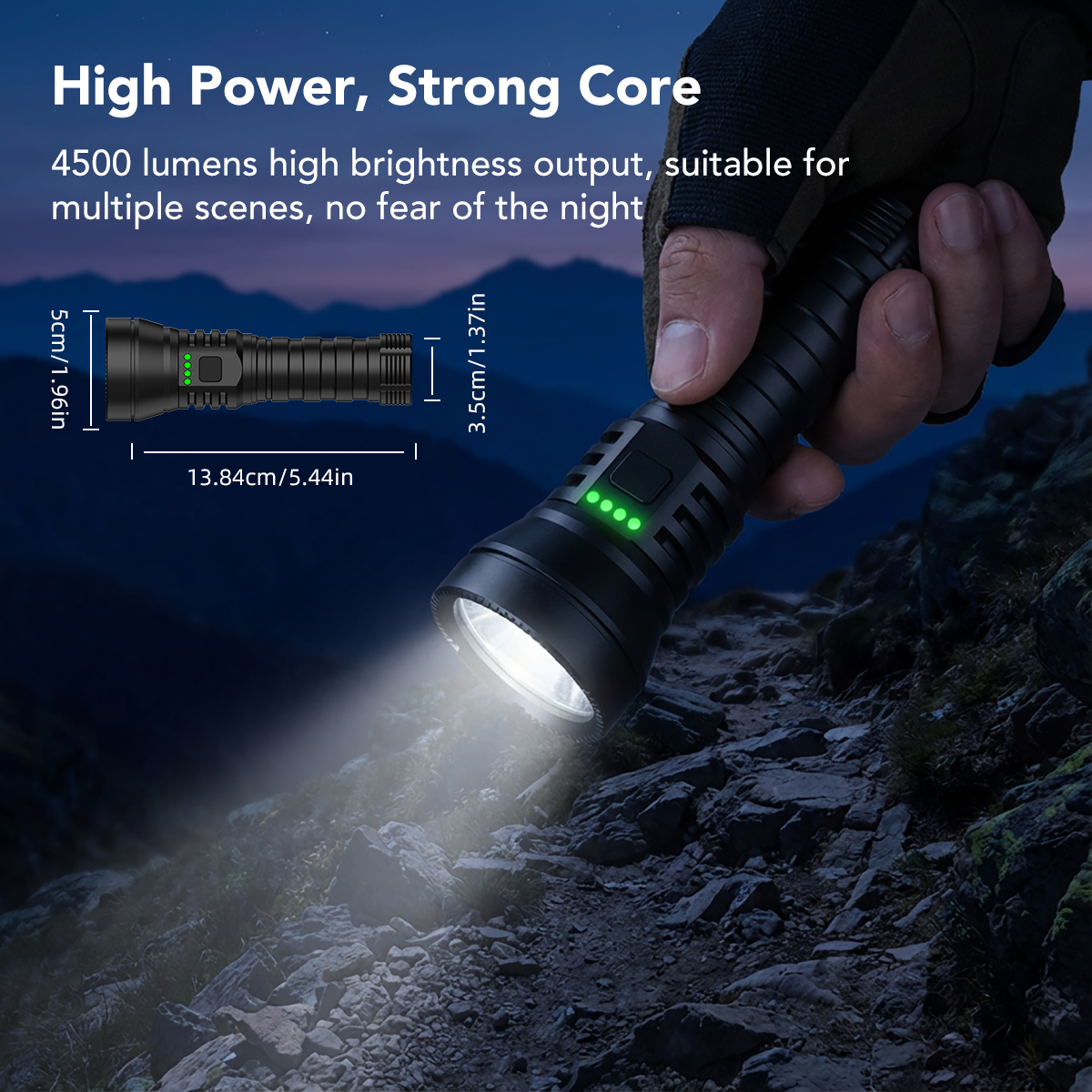
Lumens describe total output; candela describes peak intensity. Neither number alone shows the full beam. Request controlled images, intensity data and direct field trials. The flashlight range and headlamp category reflect different formats that may be assigned distinct team roles.
03.Sustained Output and Runtime Matter More Than Peak
A maximum-output value may be measured shortly after activation and may not be thermally sustainable. Search operations need to know what light remains after the product warms and the battery voltage falls. The full output-versus-time curve should show initial output, regulation, step-down, low-voltage behavior and cutoff.
Runtime is also mode specific. A long endpoint does not mean the initial brightness continues for that period. Define the minimum useful output or beam capability for the mission interval, then review the curve against that requirement. If the light includes a short boost mode, the team should know how to enter and exit it, how long it lasts under the defined conditions and whether accidental activation can deplete the battery.
Testing should state battery manufacturer and model, capacity, charge state, ambient temperature, sample orientation and mode. Battery substitution can change voltage sag, output, runtime and protection behavior. A procurement package should include an approved battery list and field replacement rules.
04.Power Logistics and Redundancy
A rescue team evaluates an energy system, not only a flashlight. Questions include battery availability, charging locations, cold-weather storage, shift duration, labeling, inspection, transport, spare allocation and disposal. Rechargeable packs can support routine operations when charging is controlled; replaceable cells may simplify field resupply in some plans. The appropriate approach depends on agency logistics.
Redundancy should reduce common-mode failure. A backup light that uses the same depleted battery, damaged charger or inaccessible pouch may not provide real redundancy. Teams can separate primary, hands-free and backup functions, protect spare cells from short circuit and contamination, and establish battery state checks before deployment.
Accessories such as chargers, cables, clips, holsters and mounts should be controlled parts. Review available lighting accessories in the context of the exact model; compatibility must be verified rather than inferred from connector or battery size.
05.Controls, Carry and Human Factors
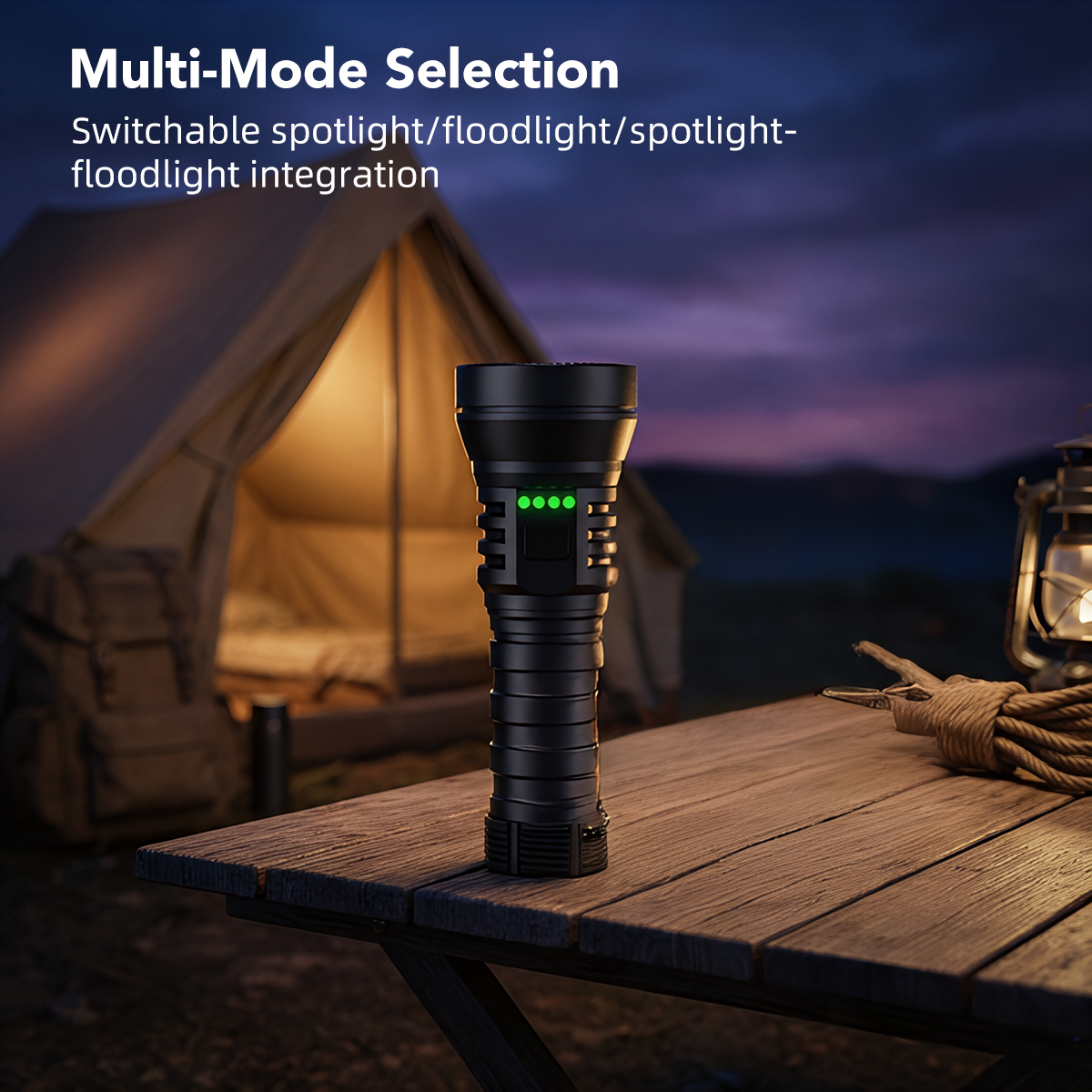
Controls must be understandable under stress. Evaluate switch location, tactile distinction, glove use, mode order, lockout, momentary operation, memory and accidental activation. A user should reach an appropriate working mode without cycling through disorienting or unsuitable modes. If strobe or signaling modes are included, their access should fit the team’s procedure.
Grip diameter, texture, balance and hot-surface location affect endurance. A large searchlight may provide optical capability but create fatigue; a compact light may be easier to carry but offer less thermal mass or runtime. Retention should work with gloves and protective clothing. Holsters, lanyards and clips need their own pull, abrasion and snag evaluation.
Field trials should involve representative users and tasks, not only a buyer viewing a beam indoors. Record problems with glare, control mistakes, grip, mounting, heat and battery changes. Training and equipment design should support each other.
06.Durability and Environmental Evidence
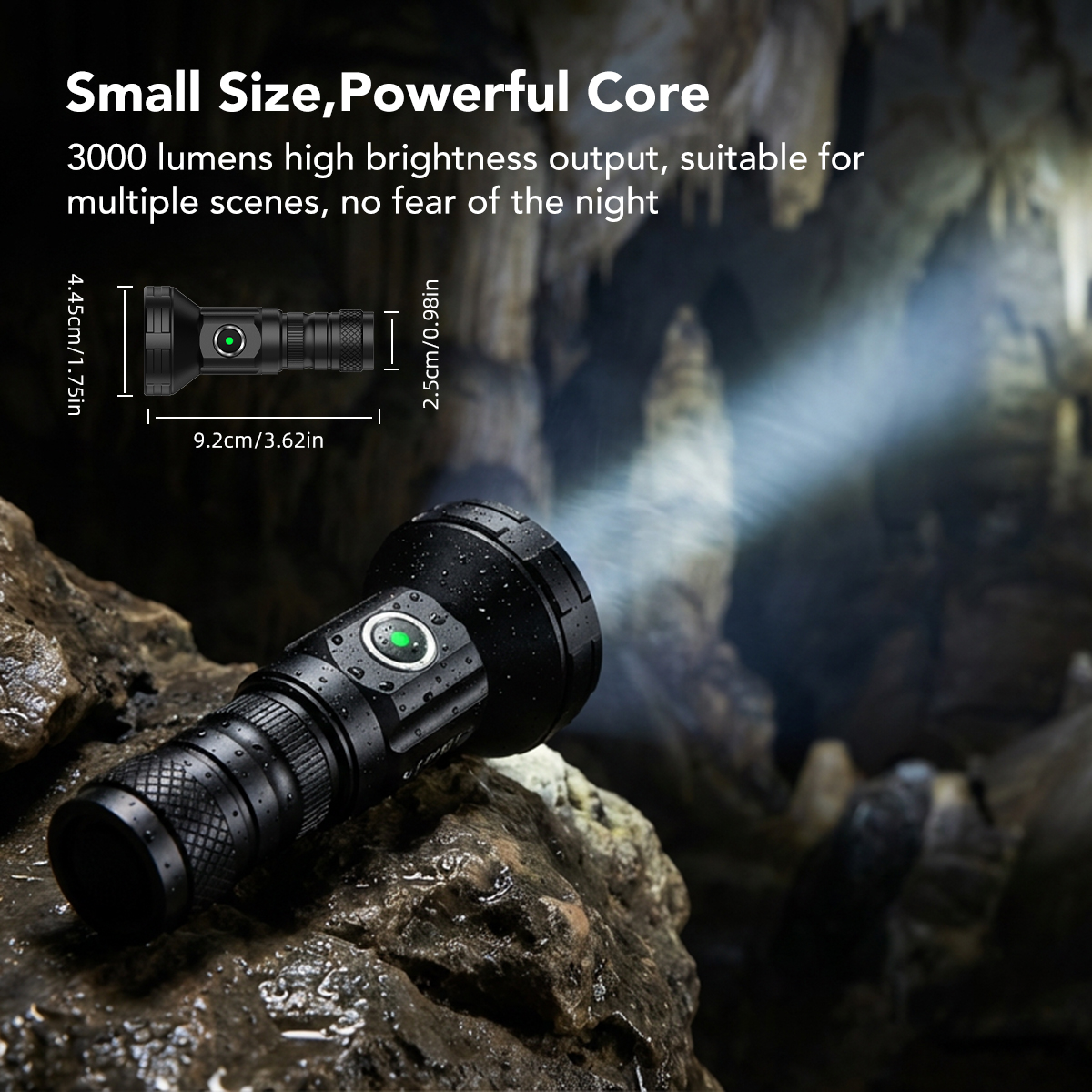
Impact and water claims require defined methods, sample configurations and acceptance criteria. “Waterproof” does not specify depth, duration, temperature, charging-cover state or post-test function. A drop video does not replace a controlled test across samples and orientations. Request the report and confirm that the tested construction matches the purchased SKU.
Inspect sealing interfaces, lens retention, switch protection, tailcap threads, charging covers and battery contacts. After environmental or impact testing, verify light modes, charging, mechanical closure and visible damage—not only whether the LED still turns on. Mud, sand and salt can create different failure modes from clean-water exposure.
SHENGQI LIGHTING’s quality overview and testing context can support due diligence. Model-specific data remains necessary.
07.Procurement Scorecard
- Mission roles, distances, duration, environment and user protective equipment.
- Finished-product lumens, candela, beam profile and sustained output.
- Runtime curve, approved batteries, charging and field resupply plan.
- Glove controls, lockout, mode access, carry, retention and hands-free needs.
- Impact, ingress, temperature and corrosion evidence for the exact configuration.
- Sample traceability, calibration, change control and production verification.
- Primary, hands-free and backup-light redundancy with independent power access.
- Representative field trial and training review before fleet adoption.
08.Frequently Asked Questions
How many lumens should a search and rescue flashlight have?
There is no universal number. Required total output depends on search distance, beam shape, atmosphere, terrain, sustained runtime and the team role. Candela and beam profile must be reviewed with lumens.
Is a long-range beam always better?
No. A concentrated beam can support distance but may increase glare or reduce close-range awareness. Many teams need separate long-range, general and hands-free lighting roles.
Why is sustained output important?
Peak output may step down as the light warms or the battery discharges. The runtime curve shows the output available during the actual mission interval.
Should the primary and backup light use the same battery?
Common batteries can simplify logistics, but they can also create a common-mode failure. The team should assess depletion, charger, storage and access risks in its redundancy plan.
What evidence should be requested from a supplier?
Request exact model and configuration identification, optical and runtime data, environmental and impact reports, equipment and calibration references, battery details and change-control records.
Define the Evidence for Your Team’s Lighting Roles
Share the search environment, role, beam, runtime, control, battery and durability requirements so candidate configurations can be reviewed against an operational scorecard.
Contact the Engineering Team