2026 Canton Fair Recap: Industrial Lighting Displays
Direct answer: this 2026 Canton Fair industrial lighting recap documents SHENGQI LIGHTING's presence at Booth 16.4G18 and the portable-lighting categories visible in first-party booth imagery. The display included labeled examples such as Y1, Y4, E7-R1 and Y5, while the original article assets also show HL8 headlamp and P3 tooling-light samples. The useful post-show question is not which product sounds most powerful; it is which optical, electrical, mechanical and compliance evidence supports a buyer's intended application.
The fair has ended, so this page is no longer an invitation. It is a sourcing record and follow-up guide. Booth photographs verify the company name, booth number and displayed model labels. They do not, by themselves, prove a lumen value, ingress-protection rating, runtime, certification or production result. Those claims must be confirmed with the specification and test evidence for the exact model and configuration being purchased.
What the First-Party Booth Evidence Confirms
The available booth photograph shows the SHENGQI LIGHTING name and Booth 16.4G18 in the Lighting Equipment area. Product boards visibly identify Y1, Y4, E7-R1 and Y5 among the displayed portable-lighting samples. This confirms attendance and the breadth of categories presented, including compact EDC lights, work-light formats and headlamp-style products.
The display supports a practical conclusion: the portfolio is not limited to one beam type or housing format. Buyers evaluating a range can begin by separating use cases—hands-free inspection, close-range flood lighting, compact carry and directional task lighting—before comparing model-specific specifications. For a broader view of available categories, see the portable lighting product range.
[ 01 ]Hands-Free Lighting: What Buyers Should Evaluate
Headlamps are often selected for maintenance, inspection, outdoor work and other tasks where both hands must remain available. A wave-sensing control can be useful when a conventional switch is inconvenient, but the feature should be evaluated as a complete control system rather than a marketing label. The buyer should verify the sensing distance, activation zone, false-trigger behavior, manual override, mode memory and operation with gloves or reflective surfaces nearby.
Optical performance requires the same discipline. A high initial output does not describe beam distribution, regulated runtime or thermal behavior. Request a beam profile, peak intensity, total output under a stated method, mode sequence and stabilized runtime. Confirm whether the desired application needs a wide flood beam for nearby work, a mixed beam for general use or greater central intensity for distance.
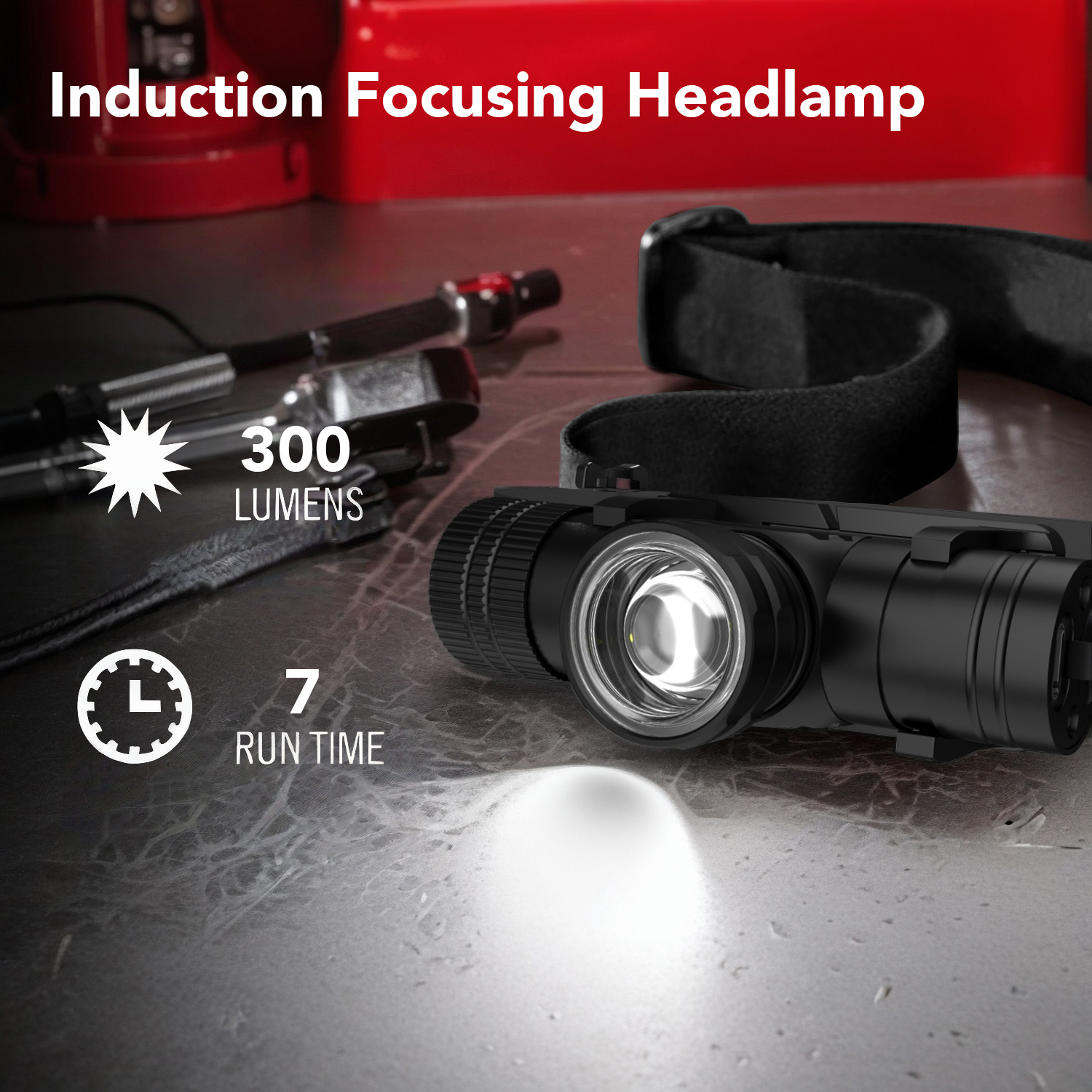
Buyers comparing this category can review the company's headlamp product category, then submit the intended working distance, beam preference, battery format, target weight and control requirements for a model-level review.
[ 02 ]Tooling Lights: Positioning Matters as Much as Output
A tooling light is normally used at close range, where placement, articulation and beam coverage may matter more than maximum beam distance. Magnetic mounting, a rotating head, pocket clips or hanging features can help position light around machinery, cabinets or vehicle interiors. Each mechanism should be checked for the real substrate, orientation and vibration expected in service.
For magnetic products, ask how holding force is assessed and whether the specified force applies to a clean, flat steel plate or to the buyer's actual use condition. Paint, curvature, surface contamination and vibration can change retention. For rotating structures, define the required angle, detent behavior and cycle expectation. For the optical system, examine shadow control and uniformity across the intended working area rather than relying on a single lumen figure.
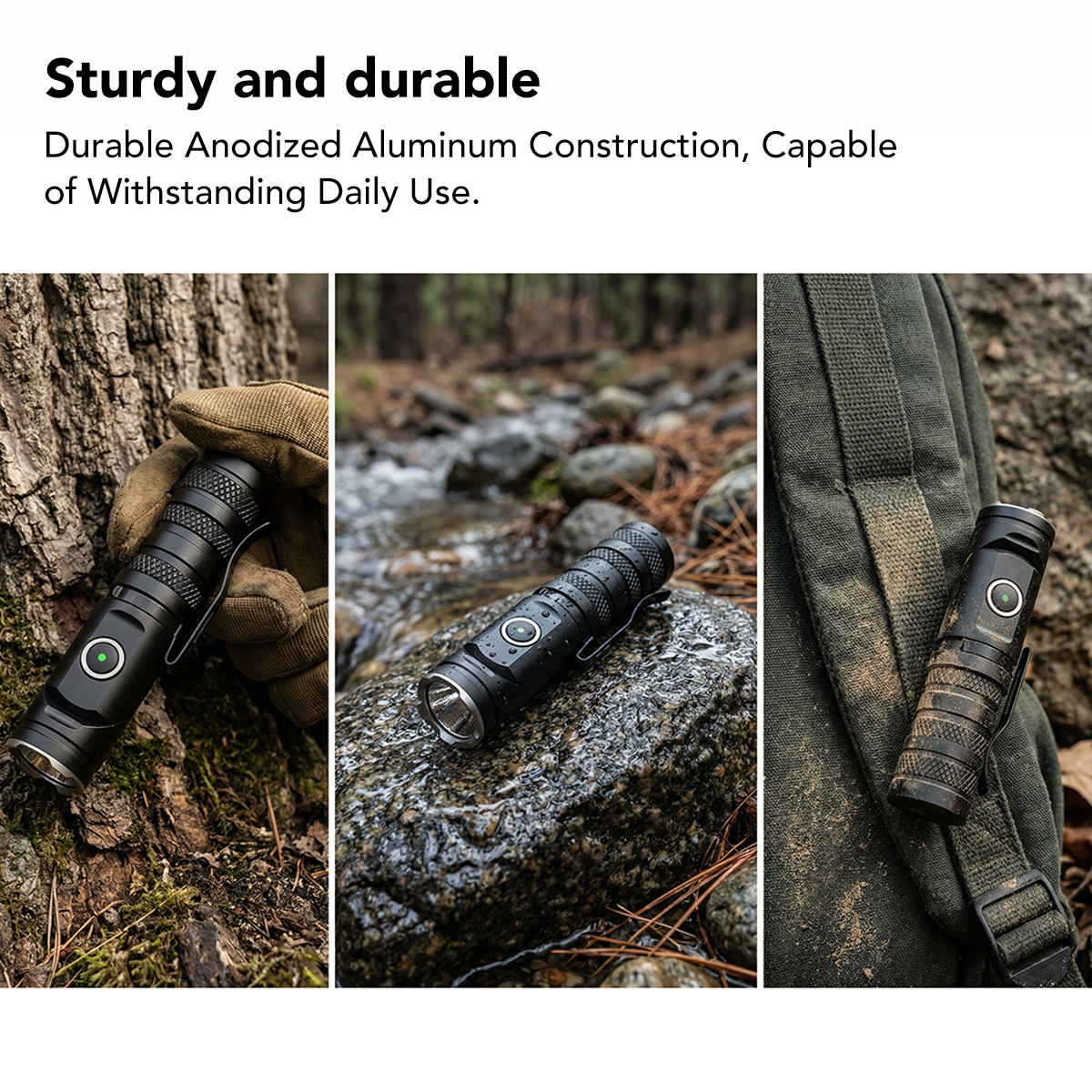
See the tooling-light category for available form factors. A useful inquiry describes where the light will be mounted, how it will be aimed, the required working time and the environment in which the mechanism must operate.
From Show Sample to Purchase Specification
Trade-show samples are useful for comparing size, interface and general construction. They are not a substitute for an approved specification. Before sampling or customization begins, convert the intended use into measurable requirements and identify which points are mandatory, negotiable or still subject to feasibility review.
| Requirement Area | Information to Define | Evidence to Review |
|---|---|---|
| Optical | Beam type, working distance, target intensity, color needs | Beam images, stated test method, stabilized measurements |
| Electrical | Battery format, charging input, modes, runtime target | Driver behavior, charging protection, runtime curve and conditions |
| Mechanical | Mounting, rotation, dimensions, weight, materials | Controlled drawing, tolerance review and sample inspection |
| Market & Compliance | Destination, labels, instructions, target standards | Model-specific reports and final configuration review |
1. Define the Use Case
Describe the task, user, working distance, mounting surface, expected environment and required operating time.
2. Control the Sample
Record the model, revision, battery, firmware or mode logic and approved appearance so later samples remain comparable.
3. Agree on Verification
Set acceptance criteria before claims are published. A target is not a verified specification until the agreed sample passes the stated method.
How SHENGQI LIGHTING Supports Post-Show Development
The company's documented development platform includes industrial, optical, electronic and packaging design capabilities supported by manufacturing and testing resources. These capabilities provide a basis for feasibility reviews and controlled sampling; they do not mean that every displayed model uses every process or carries the same certification.
Buyers can review the OEM/ODM development process and the manufacturing overview. For a useful follow-up, provide the destination market, optical target, battery system, mechanical constraints, expected environment, branding scope and evidence required for approval.
Post-Show Buyer Checklist
A productive follow-up starts with a short requirements brief rather than a request for the “best” or “brightest” product. That wording is too broad to control a sample or compare suppliers. Use the checklist below to turn a booth discussion into an auditable development task.
- Application: identify the user, task, working distance and expected duration.
- Beam: define flood, mixed or distance-oriented output and the area that must be illuminated.
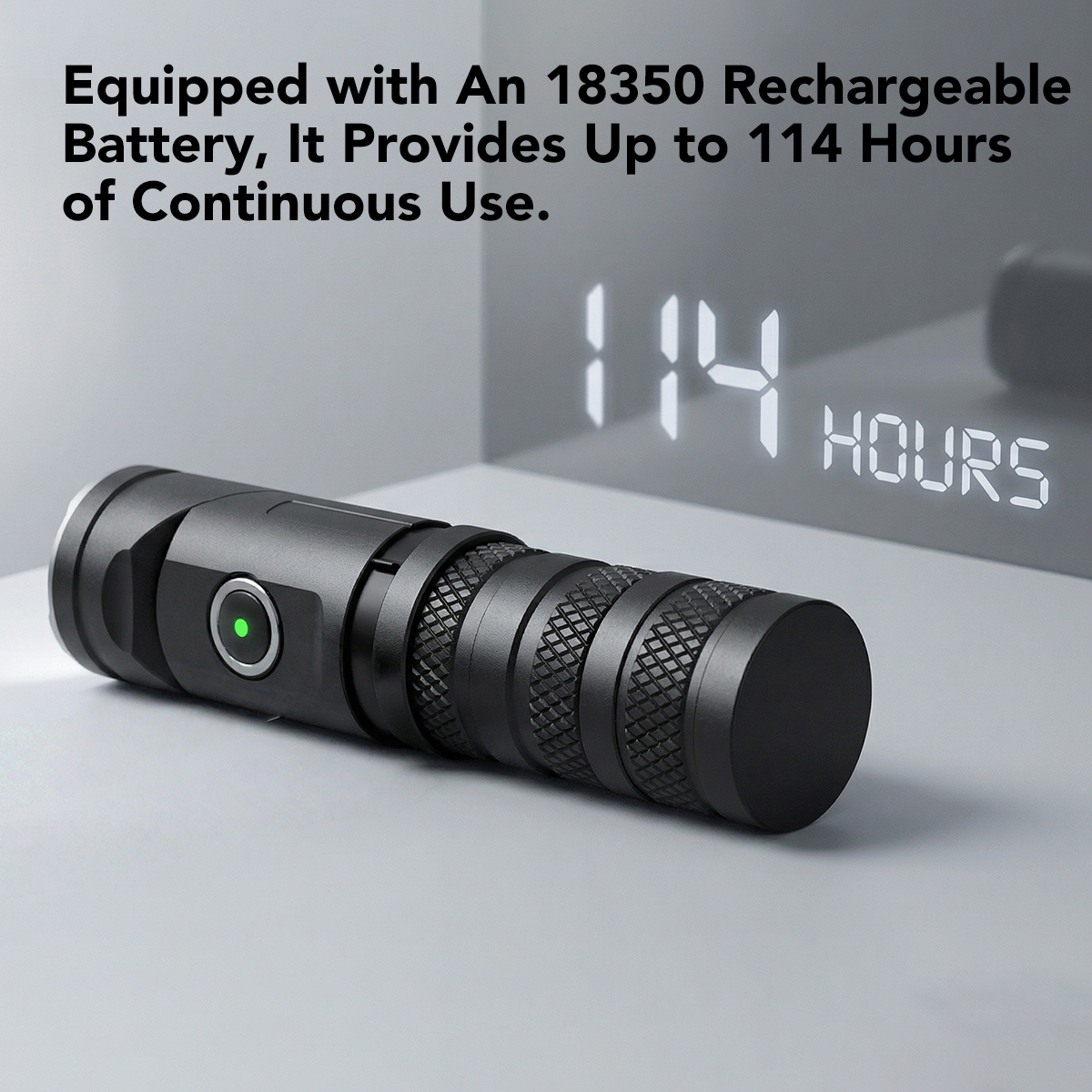
- Power: state the preferred cell format, charging interface, replaceability and minimum operating time.
- Mechanics: provide size, weight, mounting, articulation and drop or vibration expectations.
- Environment: describe water, dust, temperature, chemicals and foreseeable misuse.
- Market: identify destination countries, required labeling, documentation and compliance objectives.
- Approval: agree on drawings, golden samples, test conditions and acceptance criteria before production claims are made.
This sequence protects both buyer and supplier. It prevents a visually similar sample from being treated as equivalent when the internal driver, battery, optics or sealing configuration is different. It also makes later changes visible: if a component, structure or operating mode changes, the team can determine which evidence must be reviewed again.
What This Recap Does Not Claim
Trade-show content often becomes unreliable when an invitation remains online after the event or when broad promotional statements are presented as technical proof. This recap therefore does not claim that every displayed product has the same certification, that every model is suitable for mining or hazardous locations, or that a photograph proves waterproofing, impact resistance or output.
It also does not assign commercial outcomes to the fair. No order volume, lead count, conversion rate or visitor feedback total has been provided. Those items can be added only if SHENGQI LIGHTING supplies a controlled post-event record. Until then, the defensible value of this page is its verified event identity, documented product display and practical sourcing guidance.
FAQ for Post-Show Industrial Lighting Buyers
What does the booth photograph verify?
It verifies the SHENGQI LIGHTING company name, Booth 16.4G18 and visible display labels including Y1, Y4, E7-R1 and Y5. It does not independently verify performance ratings or commercial results.
How should a wave-sensing headlamp be evaluated?
Test sensing distance, activation zone, false triggers, manual override and operation under the intended conditions. Then review beam distribution, regulated runtime, temperature and model-specific environmental evidence.
Is a trade-show sample the final production specification?
No. Treat it as a reference sample until the model, configuration, drawing, performance criteria, labeling and verification plan are documented and approved.
What should buyers send for an engineering review?
Send the use case, market, beam requirement, battery and charging preference, runtime target, mounting needs, operating environment, branding scope and required test evidence.
Continue the Booth Conversation with Evidence
Reference Booth 16.4G18 and identify the model or application you want to evaluate. SHENGQI LIGHTING can then separate confirmed requirements from feasibility targets and prepare the appropriate next-step review.
Contact the Engineering Team