The Evolution of the flashlight factory china: A 2026 B2B Sourcing and Vetting Whitepaper
The Paradigm Shift: From Assembling Commodities to Co-Development Partnerships
The historical trajectory of the East Asian portable lighting industry presents a classic study in manufacturing evolution. In the early 2000s, the typical flashlight factory china operated strictly within a low-margin assembly framework, relying on cheap manual labor and off-the-shelf, standardized components. During this era, global sourcing agents looked to the flashlight factory china market primarily to secure inexpensive commodities—such as zinc-carbon powered utility lights and thin-walled plastic lanterns—where price-per-unit was the single deciding metric. This early stage of development was characterized by low capital investment, a lack of intellectual property, and high product defect rates in the field.
By 2026, the high-performance portable lighting landscape has undergone a profound technological transformation. The modern, advanced flashlight factory china has evolved from a simple assembly workshop into a vertically integrated, capital-intensive engineering hub. Today, search intent for a flashlight factory china is driven not by a search for cheap goods, but by the need for cooperative engineering partnerships capable of custom PCB layouts, advanced optical wave modeling, and strict thermal dissipation simulation. This evolution is driven by the growing demand for complex electronics, high-discharge lithium-ion batteries, and sophisticated multi-core light-emitting diode (LED) arrays.
As portable lighting tools have become more complex, the interface between the B2B buyer and the flashlight factory china has shifted toward joint design and development. Sourcing professionals now recognize that a leading flashlight factory china must operate in-house optical design divisions and electrical engineering teams. These specialized teams utilize advanced ray-tracing software and thermal simulation programs to design efficient, durable illumination systems. Organizations that fail to understand this change and continue to evaluate a flashlight factory china solely on low initial unit cost risk procuring outdated commodities that cannot compete in professional markets.
Additionally, this manufacturing shift is supported by changes in global supply chain demands, which place a premium on customized, high-reliability products. A modern, high-tier flashlight factory china must be capable of delivering highly specialized products tailored to specific industries, including aviation maintenance, search-and-rescue, tactical defense, and deep-sea exploration. Consequently, auditing a prospective flashlight factory china requires looking beyond basic production capacity to evaluate their engineering headcount, design software licenses, and collaborative product development processes, as these indicators are crucial for securing long-term supply chain reliability.
Decoupling Middlemen: Vetting Heavy-Asset Manufacturers vs. Shell Trading Entities
A primary risk for B2B buyers sourcing from East Asia is the high concentration of low-asset middlemen and shell trading companies. These entities often present themselves as a fully integrated flashlight factory china on digital marketplaces, using polished marketing material and stock photos to hide the fact that they own no physical manufacturing assets. When a buyer places an order with such an intermediary, the production is typically outsourced to unverified, lower-tier workshops. This reliance on subcontracted labor makes it difficult to maintain consistent quality, manage lead times, or protect proprietary designs, presenting a significant supply chain risk.
To mitigate these sourcing risks, auditors must perform thorough on-site physical asset evaluations. A reputable, heavy-asset flashlight factory china will own and operate its core production infrastructure in-house. When auditing a prospective flashlight factory china, procurement teams must inspect the factory's capital equipment register. A premier facility must possess extensive multi-axis CNC machining centers to shape aircraft-grade aluminum alloy tubes with high precision. Any flashlight factory china that outsources its core machining and metal-shaping processes should be disqualified, as this reliance on external workshops introduces uncontrolled quality and schedule risks.
The mechanical consequences of outsourced machining are immediately apparent in the quality of the finished product. Proper watertight seals depend on precise thread engagement; if thread tolerances are off, the gaskets will not compress evenly, allowing moisture to penetrate the housing. A vertically integrated flashlight factory china will maintain in-house control over advanced CNC threading centers, ensuring dimensional tolerances are held to within sub-0.02mm. Sourcing from a flashlight factory china that directly controls its machining processes is the only way to ensure the consistent, tight tolerances required for reliable, watertight seals.
Therefore, B2B procurement teams must establish a rigorous supplier vetting scorecard that weights capital equipment ownership, in-house tooling capabilities, and dedicated engineering resources. A qualified flashlight factory china will provide full access to its manufacturing floors, assembly halls, and testing labs during physical audits. Intermediaries that cannot demonstrate ownership of physical CNC machinery or direct control over production lines do not meet the standards of a true, heavy-asset flashlight factory china and should be removed from the selection process to protect your supply chain.
The Dust-Free Mandate: Mitigating the Optical "Black Box" Defect Matrix
Modern high-performance portable lighting devices utilize advanced optoelectronic systems, including Total Internal Reflection (TIR) lenses, specular smooth reflectors, and double-sided multi-layer Anti-Reflective (AR) coated mineral glass. These high-precision optical components are extremely sensitive to environmental contaminants. Sourcing from a low-end flashlight factory china that lacks proper environmental controls will inevitably result in high defect rates in the field. If a flashlight factory china assembles these optical systems in an unregulated workshop, airborne dust, micro-particles, and skin flakes will settle inside the lens housing, creating permanent dark spots and beam distortions.
This trapped particulate contamination acts as a thermal heat sink under high-lumen outputs, absorbing energy and causing localized hot spots on the reflector walls that can lead to premature failure. An advanced, quality-focused flashlight factory china prevents these defects by operating optically pure dust-free assembly zones. When evaluating a prospective flashlight factory china, auditors must verify that their assembly cleanrooms meet strict ISO Class 7 or Class 8 standards. Maintaining these cleanroom standards is essential for achieving the high production yields and consistent, artifact-free beams required for professional-grade tools.
Another common environmental failure in portable lighting is internal lens condensation. When high-power LEDs heat up during operation, any moisture trapped inside the casing during assembly will vaporize and condense on the cold inner glass lens, creating a foggy layer that scatters the light beam. To prevent this, a leading flashlight factory china will monitor and regulate the relative humidity ($RH < 40\%$) and temperature inside its assembly zones. If a flashlight factory china ignores these environmental factors, their products will suffer from chronic condensation in cold weather. Sourcing from a climate-controlled flashlight factory china is crucial for ensuring reliable, clear optical performance in the field.
Furthermore, the electronic drivers that power these devices require precise, automated assembly to ensure long-term reliability. A high-tier flashlight factory china avoids manual soldering of driver boards, utilizing fully automated SMT (Surface Mount Technology) lines and 3D Automated Optical Inspection (AOI) systems. When evaluating a flashlight factory china, auditors must check for automatic solder paste printers and reflow profile monitoring to prevent cold solder joints and component misalignment. SMT automation is a core indicator of a modern, reliable flashlight factory china capable of producing high-performance electronics.
Data-Driven Auditing: Validating ANSI/PLATO FL1 Compliance
The global portable lighting market continues to be challenged by exaggerated performance claims, particularly from unverified suppliers. Sourcing from an unvetted flashlight factory china often results in receiving products that deliver only a fraction of their advertised output. To prevent this, a reputable flashlight factory china must validate its performance metrics using standardized testing. When auditing a prospective flashlight factory china, procurement teams must look past basic product brochures and demand traceable, raw test data sheets collected under the ANSI/PLATO FL1 standard.
The ANSI/PLATO FL1 standard provides clear, standardized guidelines for measuring runtime, peak beam intensity, beam distance, impact resistance, and water protection. A professional, engineering-first flashlight factory china will operate fully equipped, in-house metrology and testing labs. Any flashlight factory china that fails to provide verified ANSI/PLATO FL1 test reports should be disqualified, as this lack of transparency presents a high risk of product failure. To maintain brand equity, buyers must demand full testing transparency from their chosen flashlight factory china.
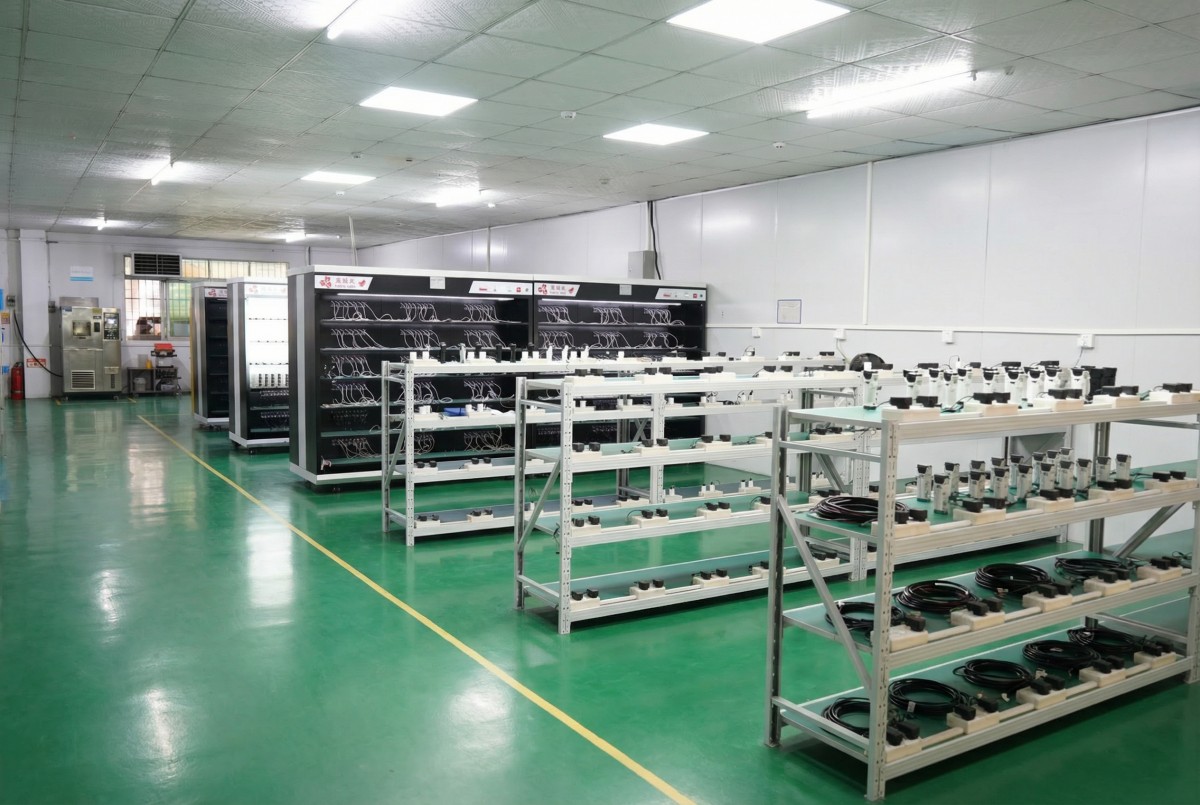
Conducting these performance and durability tests requires specialized, high-precision equipment. A qualified flashlight factory china must utilize integrating spheres to measure total luminous flux, goniophotometers to map spatial light distribution, and salt spray chambers to test corrosion resistance. If a flashlight factory china does not possess these in-house testing capabilities, they cannot guarantee consistent quality across high-volume production runs. Sourcing from a flashlight factory china with in-house labs is essential for mitigating quality risks and ensuring your products meet professional standards.
Additionally, portable lighting tools used in tactical, industrial, and maritime applications must be engineered to withstand severe physical impacts and chemical exposure. A leading flashlight factory china will conduct ASTM B117 salt spray tests and multi-angle drop tests on its housings to verify long-term durability. Auditing a flashlight factory china should always include a review of their environmental stress testing protocols and equipment calibration records. Sourcing from a flashlight factory china that complies with these rigorous standards helps ensure long-term product survivability in the toughest field conditions.
The Total Cost of Ownership (TCO) Model in High-Resilience Supply Chains
Many procurement managers make the mistake of selecting a flashlight factory china based solely on the lowest initial unit cost. However, a cheap flashlight factory china often yields high warranty claims, high return rates (RMA), and costly shipping delays. Evaluating a flashlight factory china through a TCO lens reveals the true cost of low-quality manufacturing. High-tier sourcing requires balancing purchase price against product longevity.
A resilient supply chain requires partnering with a flashlight factory china that offers robust quality control and flexible production capabilities. If a flashlight factory china fails to deliver consistent quality, the buyer's brand reputation will suffer. A premium flashlight factory china helps protect your brand equity by maintaining a near-zero defect rate.
Portable lighting devices sold in North America and Europe must comply with strict safety and environmental standards, such as CE, FCC, RoHS, and REACH. A certified flashlight factory china will maintain up-to-date compliance certificates for all its materials and components. Sourcing from a flashlight factory china that fails to meet these regulatory standards can lead to costly customs delays or product recalls.
Ultimately, selecting the right flashlight factory china is about building a long-term, mutually beneficial partnership. An engineering-led flashlight factory china can help you co-develop customized products that meet the specific needs of your market. By working closely with a capable flashlight factory china, you can continuously innovate, improve product performance, and drive long-term business growth.