China vs Vietnam Flashlight Manufacturing Comparison
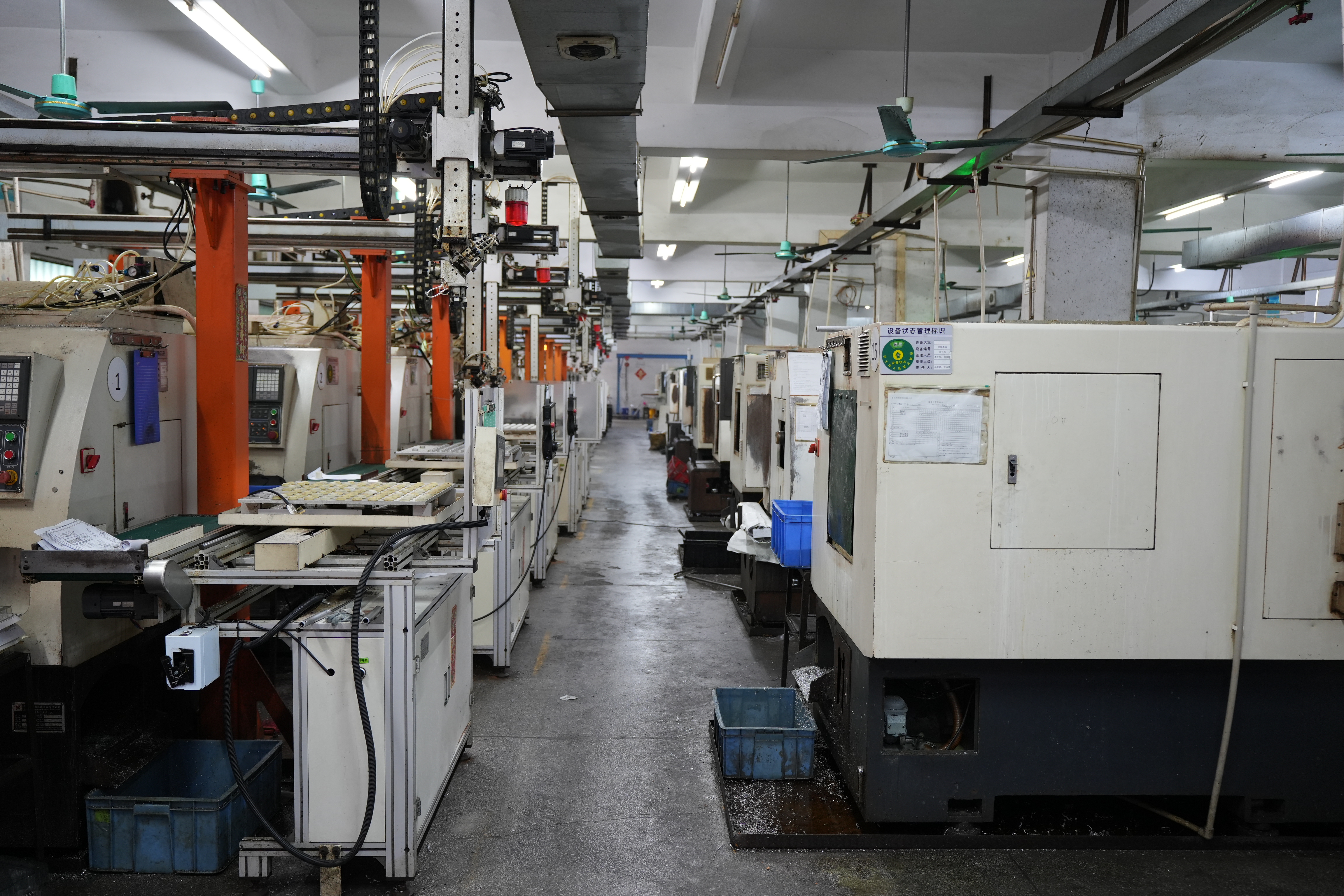
Direct answer: neither country is the automatic best choice for every flashlight program. China offers a very large export and component-manufacturing base; Vietnam has a growing export platform and can fit selected assembly or diversification strategies. The decision should be made supplier by supplier, using the product's optical, electronic, battery, metalworking, tooling and compliance requirements—not country stereotypes.
1. What country-level data can—and cannot—tell you
WTO trade profiles illustrate the difference in scale: the WTO reports China's 2024 merchandise exports at about US$3.58 trillion, while its latest profile for Vietnam reports about US$353 billion for 2023. These totals cover all goods, not flashlights, and the reporting years differ. They support only a broad observation: China has a much larger export system, while Vietnam is also a significant exporter. They do not rank individual factories or predict your landed cost.
Use macro context to frame diligence, then move quickly to verifiable supplier evidence. Buyers should compare corporate registration, actual production address, equipment ownership, workforce and shift model, process flow, approved subcontractors, quality records and reference samples. The flashlight supplier audit guide provides a fuller factory-vetting structure.
2. Compare the value chain your product actually needs
| Workstream | Evidence to request | Decision risk |
|---|---|---|
| Optics and LEDs | Approved supplier list, bin controls, optic drawings, beam data | Uncontrolled substitutions can change output, color and beam |
| Electronics and batteries | PCB/firmware ownership, cell approvals, protection design, transport documents | A nominally equivalent part can change safety or runtime |
| Metal and tooling | Machine list, process routing, tooling ownership, finish controls | Subcontracted processes add interfaces and lead-time variability |
| Assembly and test | Control plan, gauges, test methods, calibration and failure records | A showroom demo does not prove production control |
| Packaging and logistics | Pack specification, route hazards, battery shipping plan, landed-cost model | Unit price can hide freight, duty, damage and inventory costs |
3. Build a landed-cost model, not a quote comparison
A defensible comparison includes tooling and engineering, components, conversion cost, testing, packaging, inland freight, international freight, duty/tariff treatment, brokerage, quality inspection, inventory carrying cost, travel or audit cost and expected failure or rework cost. Currency, order pattern and route should be dated assumptions. If a program uses lithium batteries, transport classification and documentation deserve a separate workstream.
Lead time should also be decomposed: engineering approval, tool build, component procurement, pilot, production, inspection and transit. Country averages cannot replace a supplier's critical-path plan. Ask what is held in stock, what is made to order and which single-source parts control the schedule.
4. Quality systems must reach the production line
Certification can support a supplier review, but a certificate alone does not prove model-level conformity. Audit the flow from incoming inspection through assembly, in-process verification, final inspection and change control. Sample recent records with product identity, date, operator or station, equipment status and disposition of failures. For optical claims, require defined conditions and distinguish total output from peak intensity and beam distance.
Where waterproof, drop, electrical or environmental performance matters, the purchase specification should identify the method, sample plan and acceptance criteria. Packaging should be reviewed separately from product performance; see the packaging engineering and transit-testing guide.
5. A practical two-country decision process
- Freeze the functional specification and compliance markets before requesting quotes.
- Build the BOM and process map; identify which operations must be in-house or tightly controlled.
- Shortlist legal entities in both locations and issue the same evidence request.
- Audit high-risk processes and trace one recent order from incoming material to shipment.
- Run comparable prototypes and pilots with the same acceptance criteria.
- Model landed cost and schedule under normal and disruption scenarios.
- Select the supplier, then maintain an approved-change and contingency plan.
Frequently asked questions
Is China always cheaper for flashlights?
No. Component ecosystem and scale can help some programs, but total cost depends on design, supplier, volume, duty, logistics, quality and inventory assumptions.
Is Vietnam only suitable for simple assembly?
That generalization is not reliable. Capabilities vary by supplier and investment. Verify the exact processes, engineering ownership, suppliers and controls required by your product.
Should a buyer use two countries?
Dual sourcing may improve resilience, but it can duplicate tooling, validation, inventory and management. Evaluate whether the risk reduction justifies the added complexity.
What is the most important factory-audit question?
Ask the factory to trace a real production order and show how material identity, process settings, test results, failures and changes were controlled.
For first-party context, review the SHENGQI LIGHTING manufacturing overview and company profile. Then request project-specific evidence. Facility capability, capacity, MOQ, lead time, compliance and pricing must be confirmed for the proposed model and order.
Macro reference basis: WTO Trade Profiles for China and Viet Nam. Values and years above reflect the profile data available when this article was updated.